

Before traveling to China in 2026, foreign visitors should prepare mobile payments, check visa or visa-free eligibility, install essential China apps, plan internet access, book high-speed trains with passport information, save hotel addresses in Chinese, and consider a local guide for food, transport, and cultural experiences.The biggest mistake first-time travelers make in China is assuming the country works like Europe, Japan, or Southeast Asia. In reality, payments, maps, transport, restaurant ordering, and even simple taxi rides are app-based and language-dependent. Preparing these systems before arrival can save hours of stress.
Key Checklist before 2026:
- Prepare mobile payments (Alipay/WeChat Pay) and link your international cards.
- Check your visa or 240-hour visa-free transit eligibility strictly.
- Install essential China apps (maps, translation) and plan internet access.
- Book high-speed trains using your exact passport information.
Preparing these systems before arrival can save hours of stress and turn China into one of the smoothest countries you will ever visit.
You booked your flight to China. You are excited. You have watched travel videos, saved restaurant lists, and maybe even learned a few Mandarin phrases.
Then you land.
Within 30 minutes, you realize something important: China is not difficult. But it is very different.
Your credit card may not work at a small noodle shop. Google Maps may not be reliable. The taxi driver may not understand your hotel’s English name. Restaurant menus may be hidden behind QR codes. Train stations are huge. Cities like Chongqing are built in layers, where “ground floor” can mean three different things depending on which street you enter from.
This is not a horror story. It is the normal first-day experience for travelers who arrive unprepared.
The good news? With the right setup, China can be one of the smoothest, safest, most exciting countries you will ever visit. Here are the 7 things you must know before traveling to China in 2026.
1. Cash Is Almost Dead — But Your Credit Card Is Not Enough
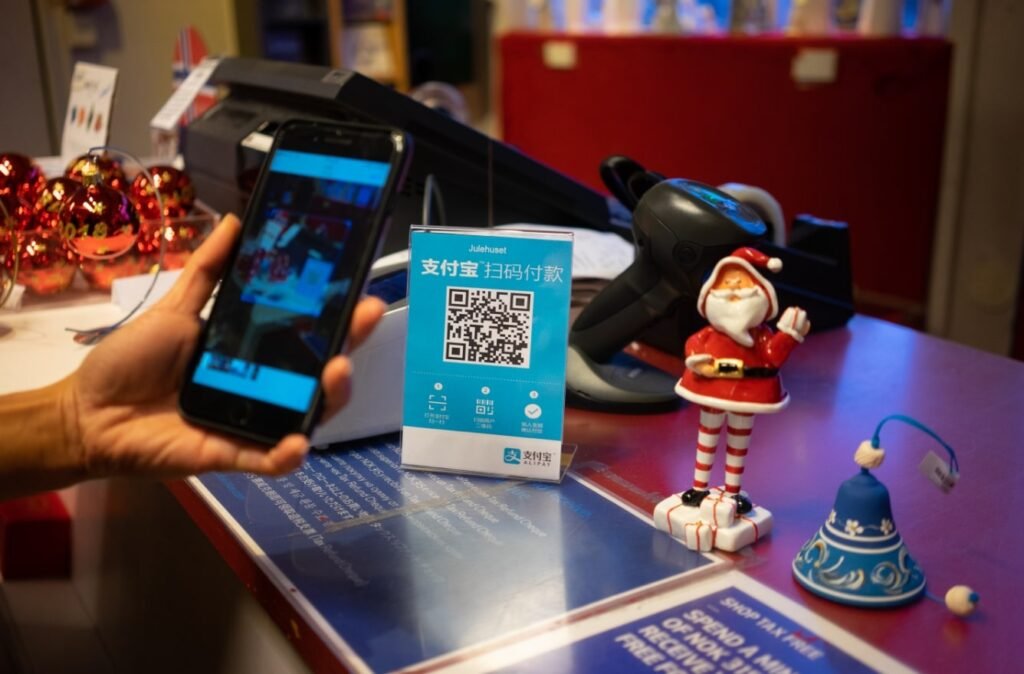
China is one of the most cashless countries in the world. In major cities, daily life runs through QR codes. You scan to pay for coffee, noodles, taxis, museum tickets, convenience stores, street snacks, metro rides, and even tiny family-run food stalls.
For locals, this is effortless. For foreign travelers, it can be confusing.
You may carry a Visa or Mastercard and assume you are fine. But in China, many small restaurants, markets, taxis, and local vendors do not rely on foreign card terminals. They expect mobile payment. That usually means:
- Alipay
- WeChat Pay
- Sometimes UnionPay
- Occasionally cash
- Rarely foreign cards at small local businesses
What You Should Do Before You Fly
Download and set up both Alipay and WeChat Pay. Try to complete:
- Account registration
- Passport verification if required
- International card binding
- Phone number verification
- A backup payment method
Do not wait until you are standing in front of a noodle shop with a line behind you.
Should You Still Bring Cash?
Yes. Even though mobile payment dominates daily life, cash is still legal and useful as a backup. For most first-time visitors, carrying around ¥500–¥1000 RMB in small bills is a smart safety net. Use cash for:
- Emergency taxis
- Small rural restaurants
- Backup if your app freezes
- Older vendors
- Places where your international card is not accepted inside an app
But do not rely on cash alone. Many everyday systems are now built around QR codes.
Common Payment Mistakes
First-time travelers often make these mistakes:
- Arriving with only Visa or Mastercard
- Assuming Apple Pay will work everywhere
- Setting up Alipay after landing with airport Wi-Fi
- Forgetting passport verification
- Using a card that blocks overseas transactions
- Not telling their bank they are traveling
- Not carrying any RMB cash at all
EzGoChina Private Travel Tip: On our private China trips, we help clients set up payments on Day 1. This usually takes only a short time, but it removes one of the biggest sources of stress. For boutique private tour clients, this is not just convenience. It means you can walk into a hidden noodle shop, a local wet market, a hotpot restaurant, or a tiny family-owned teahouse without worrying about whether you can pay.
Want a smoother first day in China? EzGoChina can help you set up payments, transport apps, translation tools, and local navigation before your first real meal.
2. Your Internet May Not Work the Way You Expect
Many travelers underestimate this. They assume that once they land, they can use the same apps they use at home. Then they discover that some familiar international services may not work normally on standard mainland China networks.
This can affect:
- Google services (Google Maps, Gmail, YouTube)
- Instagram, Facebook, WhatsApp
- Some Western news sites
- Some cloud storage tools
The exact experience depends on your network, roaming provider, eSIM, hotel Wi-Fi, and device settings. But the key point is simple: Do not arrive in China assuming your normal digital life will work exactly the same way.
What to Prepare Before Arrival
Before your flight, prepare:
- A working international roaming plan or travel eSIM
- Offline copies of important documents
- Your hotel address in English and Chinese
- A translation app with offline language packs
- Backup access to email or travel documents
- Screenshots of bookings, tickets, and emergency contacts
What About VPNs?
Many travelers ask this question. Check the current rules, your provider’s terms, and your own country’s travel guidance before you rely on any connectivity tool in China. You should also have local alternatives ready.
Useful Local App Alternatives
For everyday travel, these are often more practical inside China:
- Amap / Gaode Maps for navigation
- Baidu Maps for local routes
- Didi for ride-hailing
- Alipay & WeChat for payments and mini-programs
- Trip.com for hotels and some transport bookings
- 12306 for official train tickets
EzGoChina Private Travel Tip: For our clients, we usually prepare a digital arrival kit before they land. This includes hotel addresses in Chinese, map pins, train reminders, pickup instructions, and emergency contact support. That way, the first day does not become a battle with apps.
3. Visa Rules Are Easier Than Before — But You Still Need to Check Carefully
China has made travel easier for many international visitors in recent years, but visa rules are not the same for every nationality, route, or purpose of travel. Some travelers may qualify for:
- Ordinary tourist visa
- Visa-free entry
- 24-hour transit
- 240-hour visa-free transit
- Regional visa-free policies
But there is one dangerous mistake: Do not assume a TikTok video applies to your passport. A traveler from Spain, Singapore, the United States, Australia, Brazil, or the United Kingdom may face different rules depending on passport type, entry city, onward ticket, and travel route.
What Is the 240-Hour Visa-Free Transit Policy?
The 240-hour visa-free transit policy can allow eligible travelers to stay in certain areas of China for up to 10 days when transiting to a third country or region. But it is not a “free China visa for everyone.” You usually need to meet conditions such as:
- Holding an eligible passport
- Entering through an eligible port
- Having a confirmed onward ticket
- Traveling onward to a third country or region
- Staying within permitted areas
- Following the allowed time limit
What You Should Check Before Booking
Before buying flights, check:
- Your passport nationality
- Your entry city & exit city
- Whether your route qualifies as transit
- Whether your destination after China is a third country or region
- Whether you are allowed to travel between the cities on your itinerary
EzGoChina Private Travel Tip: For customized private tours, we help guests design routes that make sense with their entry conditions. This is especially useful for travelers who want to combine cities like Shanghai + Chongqing, or Beijing + Xi’an.
4. China’s High-Speed Rail Is Amazing — But Train Stations Can Overwhelm You
China’s high-speed rail network is one of the best ways to travel between cities. It is fast, clean, frequent, and often more comfortable than flying for medium-distance routes. But here is the part many tourists do not expect: Chinese train stations can feel like airports.
They are big. They require security checks. You need the correct station. You need the correct ID. You need enough time.

In many cities, there are multiple stations with similar names. For example:
- Chongqing North Railway Station
- Chongqing West Railway Station
- Chengdu East Railway Station
- Chengdu South Railway Station
Going to the wrong station can ruin your day.
Can Foreigners Buy China Train Tickets With a Passport?
Yes, foreign travelers can use passport information to buy train tickets through official or approved channels. The official 12306 platform provides English-language services, though travelers should still prepare for identity verification.
How Early Should You Arrive?
For first-time travelers, arrive at least:
- 60–90 minutes early for major stations
- Earlier during holidays or if you need ticket help
- Earlier if traveling with children or seniors
EzGoChina Private Travel Tip: For private tour clients, we arrange train station transfers, help with station selection, and make sure the route is realistic. This matters especially in Chongqing, where the city’s terrain can make travel time unpredictable.
5. The Language Barrier Is Real — But It Is Manageable
Can I travel in China without speaking Chinese? The honest answer is: Yes, but you need preparation.
In major hotels, airports, and high-speed train stations, you may find English support. But once you step into local restaurants, markets, taxis, old neighborhoods, or hidden food streets, English becomes limited very quickly. This is especially true in cities like Chongqing and Chengdu, where the most memorable experiences are local.
What You Should Save in Chinese
Before arrival, save these in Chinese characters:
- Hotel name, address, and phone number
- Train station names and airport terminal
- Dietary restrictions and allergy information
- Emergency contact and your guide/driver’s contact
- Key attraction names
Do not rely on English names only. For example, a taxi driver may not recognize “Liberation Monument,” but they will recognize Jiefangbei(解放碑).
Translation App Tips
Prepare Google Translate (offline pack), Apple Translate, or Microsoft Translator. For restaurant use, photo translation can help, but it is not perfect. A direct translation may not tell you what you are actually eating. “Ants Climbing a Tree” is not insects, and “Fish-fragrant eggplant” may contain no fish!
EzGoChina Private Travel Tip: A good local guide does more than translate words. They translate context. They can explain why a dish is famous, whether it is too spicy, how locals actually eat it, and what to avoid if you have allergies.
6. Chinese Food Is Incredible — But “Just Order Anything” Is Bad Advice
Food may become the highlight of your China trip. But for first-time visitors, it can also become the most confusing part. Menus may be QR-code only, photos may not match expectations, spice levels can be intense, and allergies may be hard to communicate clearly.
China Is Not One Cuisine
A common mistake is saying “Chinese food” as if it were one thing. In reality, food in China changes dramatically by region.
- Chengdu is famous for Sichuan flavors, spice, peppercorn, snacks, hotpot, and teahouse culture.
- Chongqing is known for bold hotpot, noodles, grilled fish, night food, and intense urban dining energy.
- Xi’an has noodles, lamb, flatbread, and Muslim Quarter food culture.
- Shanghai is sweeter, softer, and more refined in many classic dishes.
- Guangzhou is famous for Cantonese cuisine and dim sum.
The Better Way: From Market to Table

For boutique travelers, the best food experience is often not a restaurant reservation. It is a food journey. Imagine starting in a local wet market with a guide who explains seasonal vegetables, Sichuan peppercorn, and hotpot ingredients. Then instead of guessing at a noisy restaurant, you move into a private tasting experience where the flavors are adjusted to your comfort level without losing authenticity.
EzGoChina Private Travel Tip: Our From Market to Table concept is especially useful for families, senior travelers, travelers with allergies, and visitors who want to understand Chongqing and Chengdu through food, without gambling with stomach comfort.
7. Do Not Try to See “All of China” in One Trip
China is huge. This sounds obvious, but many first-time visitors still make the same mistake. They try to fit too much into one trip: Beijing, Shanghai, Xi’an, Chengdu, Chongqing, Guilin, Zhangjiajie, Hong Kong, and Tibet — all in 10 days.
Technically, you can put these names on an itinerary. Emotionally, it may feel like punishment. China rewards slower, smarter travel.
A Better First-Time China Route
For a first trip, choose one of these styles:
- Classic Culture Route: Beijing, Xi’an, Shanghai (Best for iconic China)
- Food + Panda + Mountain City Route: Chengdu, Chongqing (Best for personality, flavor, and contrast)
- South China Soft Landing: Guangzhou, Guilin / Yangshuo, Hong Kong or Shenzhen
- Boutique Deep China Route: Chengdu, Chongqing, Dazu, Wulong, Fuling / 816 Underground Nuclear Project, Baiheliang
Why Chengdu + Chongqing Works So Well
For many foreign travelers, Chengdu and Chongqing are the perfect pair. Chengdu gives you pandas, teahouses, slower lifestyle, and family-friendly pacing. Chongqing gives you a cyberpunk skyline, hotpot, Yangtze River views, and hardcore day trips like the Wuling Mountain Grand Rift Valley.
Bonus: Your First-Day China Arrival Checklist
Before You Fly:
- Download Alipay and WeChat Pay (link international cards)
- Tell your bank you are traveling and prepare RMB cash
- Install translation apps and save offline documents
- Check visa/visa-free eligibility strictly
- Save hotel address in Chinese and screenshot your booking
- Check whether your phone supports eSIM or roaming
On Arrival & First 24 Hours:
- Connect to your data plan and confirm payment apps work
- Use official taxis, metro, or pre-arranged pickup
- Ask your hotel to write specific addresses in Chinese
- Eat somewhere easy but local
- Avoid over-scheduling your first day; adjust your sleep instead
Final Thoughts: China Is Easy When You Know How It Works
China can feel overwhelming on the first day. But once the basic systems are set up, it becomes incredibly rewarding. The trains are fast. The food is unforgettable. The cities are safe and full of energy. The landscapes are dramatic. The local culture is deep, layered, and often completely different from what travelers expect.
The difference between a stressful China trip and a smooth one usually comes down to preparation. And if you want your first China trip to go beyond survival mode, a local private guide can turn the country from confusing to fascinating.
Is China easy to travel in for first-time visitors?
China is easy in terms of safety, infrastructure, trains, hotels, and food options. However, it can be difficult if you are not prepared for mobile payments, language barriers, local apps, and large transport hubs. First-time travelers should prepare payment apps, translation tools, Chinese addresses, and a realistic itinerary before arrival.
Can foreigners use Alipay or WeChat Pay in China?
Many foreign visitors can link international bank cards to Alipay or WeChat Pay, depending on card type, verification, app settings, and merchant acceptance. It is best to set up both apps before arrival and carry some RMB cash as backup
Do I need cash in China in 2026?
Yes, but mostly as backup. Mobile payments are used for most daily purchases in major Chinese cities. Carrying ¥500–¥1000 RMB in small bills is useful for emergencies, rural areas, or situations where your payment app does not work.
Does Google Maps work in China?
Google Maps may not work normally on standard mainland China networks and may not be as accurate as local map apps. Travelers should prepare alternatives such as Amap, Baidu Maps, saved Chinese addresses, and hotel map pins before arrival.
Can I travel in China without speaking Chinese?
Yes, but you need preparation. Save hotel names, station names, addresses, allergy information, and key phrases in Chinese. Translation apps help, but a local guide is valuable for food, taxis, local neighborhoods, and cultural context.
Can foreigners buy high-speed train tickets in China?
Yes. Foreign travelers can buy train tickets using passport information through official or approved channels, including 12306. You should make sure your passport details match your booking exactly and arrive early at major train stations.
Is the 240-hour visa-free transit policy the same as a tourist visa?
o. The 240-hour visa-free transit policy is not a general tourist visa. It applies only to eligible travelers, ports, routes, and onward transit conditions. Always check your nationality, arrival city, onward ticket, and allowed travel area before booking.